


Newsletter/Booklets 27th Jan 2026
















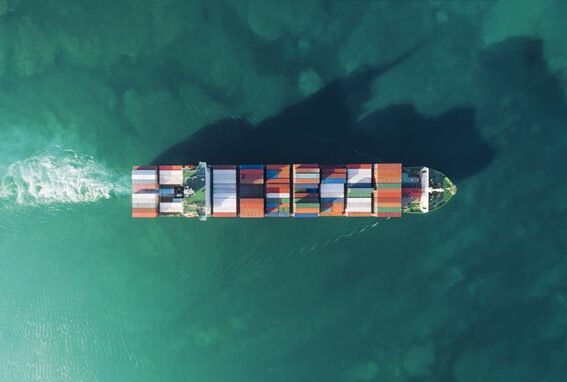


As India enters 2026, the global trade environment continues to be shaped by geopolitical tensions, with an increasing reliance on tariffs and non-tariff measures. In 2025, India’s merchandise exports remained stable at USD 443 billion, while imports increased to USD 753 billion, resulting in a widening trade deficit. Export performance was supported by growth in electronics and engineering goods, while imports were driven by electronic machinery, nuclear reactors and related machinery, chemicals, fertilizers, and metals. Trade policy during the year increasingly focused on managing tariff exposure, regulatory risk, and supply chain resilience and identification of alternate export markets.
Free trade agreements remained a key element of India’s external trade engagement in 2025. During the year, India signed free trade agreements with the United Kingdom and Oman, expanding preferential market access for goods and services and strengthening bilateral trade frameworks. In addition, the India–European Free Trade Association Trade and Economic Partnership Agreement was ratified in 2025, enabling its entry into force. Negotiations with the European Union progressed during the year, with the agreement signed in January 2026, while discussions with other trading partners continued on issues relating to tariff liberalisation, rules of origin, services market access, investment protection, and regulatory cooperation.
A notable regulatory development in 2025 was the recalibration of India’s Quality Control Order regime. Following the October 2025 report of NITI Aayog’s High Level Committee on Non Financial Regulatory Reforms, several QCOs applicable to raw materials, intermediates, and capital goods were withdrawn, deferred, or accompanied by time bound exemptions. These changes were particularly evident across chemicals, metals, textiles, machinery, and electrical equipment. At the same time, QCOs continued to apply to strategic sectors and finished goods, with a move towards narrower product coverage and phased implementation.
In parallel, India continued to rely on trade remedial measures and calibrated import controls. Trade remedy initiations increased in 2025, while the proportion of recommendations resulting in the imposition of duties declined. Minimum Import Prices and import monitoring mechanisms were used in specific sectors. Trade remedial litigation remained active before Indian High Courts, reflecting limited hearings before the CESTAT.
Looking ahead, India’s trade strategy for 2026 will likely include:
As per the rules of the Bar Council of India, lawyers and law firms are not permitted to solicit work or advertise. By clicking on the "I Agree" button, you acknowledge and confirm that you are seeking information relating to Economic Laws Practice (ELP) of your own accord and there has been no advertisement, personal communication, solicitation, invitation or any other inducement of any sort whatsoever by or on behalf of ELP or any of its members to solicit any work through this website.